What Is Soft Washing for Roofs? A Clear Explanation
The term soft washing turns up in nearly every roof cleaning conversation, often alongside promises that it is gentler, safer, and better for your tiles. All of that is true, but the phrase is used so loosely that many homeowners are not quite sure what it actually means. Is it a specific technique, a marketing label, or just a nicer way of saying the roof gets washed?
Soft washing is a real and distinct approach, and understanding it helps you choose a cleaning method with confidence. This guide explains what soft washing is, how it differs from the alternatives, and why it is well suited to the way a roof is built.
Soft Washing Defined
Soft washing is a cleaning method that relies on gentle, water-based treatment rather than force to remove organic growth. Instead of blasting moss and algae off with a high-pressure jet, it lifts and clears them using low pressure or no-contact techniques, keeping the tile surface intact throughout.
The name draws a deliberate contrast with pressure washing. Where pressure washing uses the power of the water to tear growth away, soft washing removes it gently and, crucially, without the collateral damage that high pressure causes to a roof. On many professional jobs, soft washing is delivered as a no-contact service, working from mobile scaffold towers or the ground so that neither high pressure nor a person's weight ever bears on the tiles.
What Soft Washing Is Not
Clearing up the confusion is easier by ruling out what soft washing is not.
It is not pressure washing at a lower setting. Soft washing is a different approach, not simply a dialled-down pressure wash. Its whole logic is to avoid relying on pressure to do the work.
It is not harsh chemical stripping. Responsible soft washing uses water-based cleaning and, where wanted, a non-toxic biocide chosen to be safe around plants and property. It is not about dousing the roof in aggressive chemicals.
It is not scraping or wire brushing. Those are abrasive contact methods that scratch the tile. Soft washing lifts growth gently rather than grinding it off.
Understanding these distinctions matters because some operators use the term loosely. Asking exactly what a soft wash involves, the pressure used, the products applied, and whether anyone walks the roof, tells you whether it is genuinely gentle.
Tip: A quick test of whether a quote is really for soft washing: ask what happens to the tile's surface coating during the clean. A true soft-wash answer is that the coating is left intact because no high pressure or abrasion touches it. If the method would strip or scratch that coating, it is not soft washing, whatever it is called.
Why Roofs Suit a Soft Approach
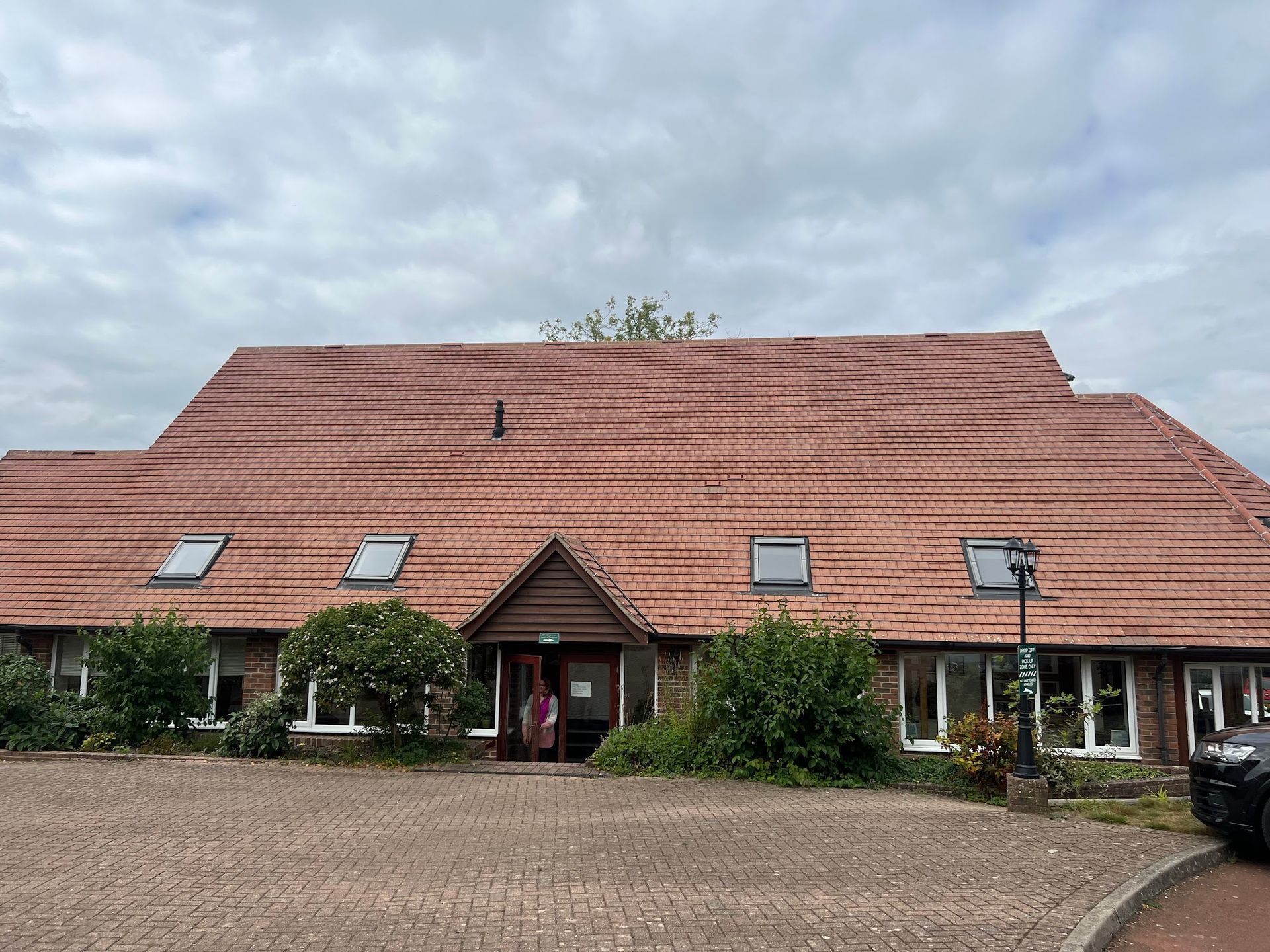
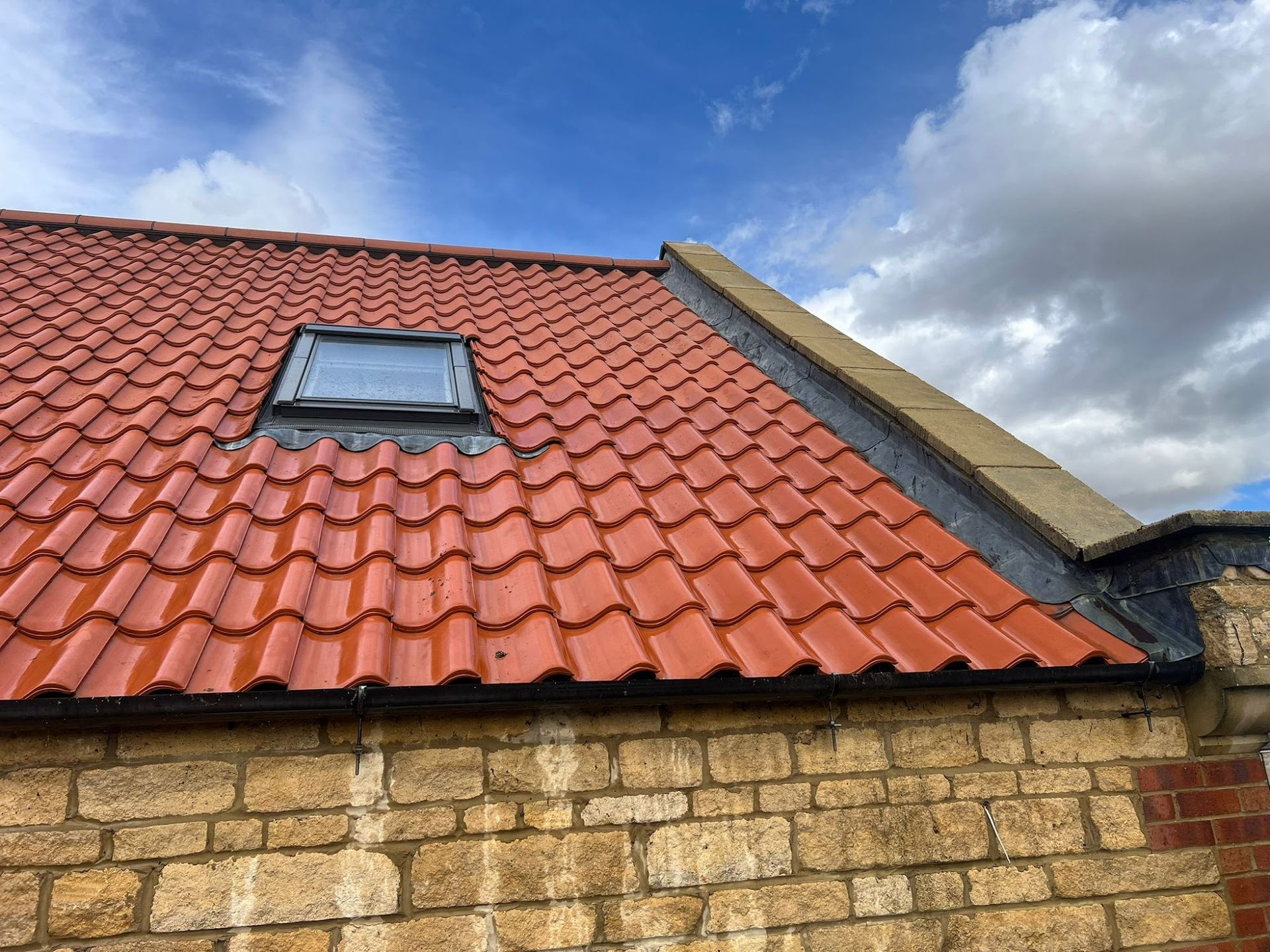
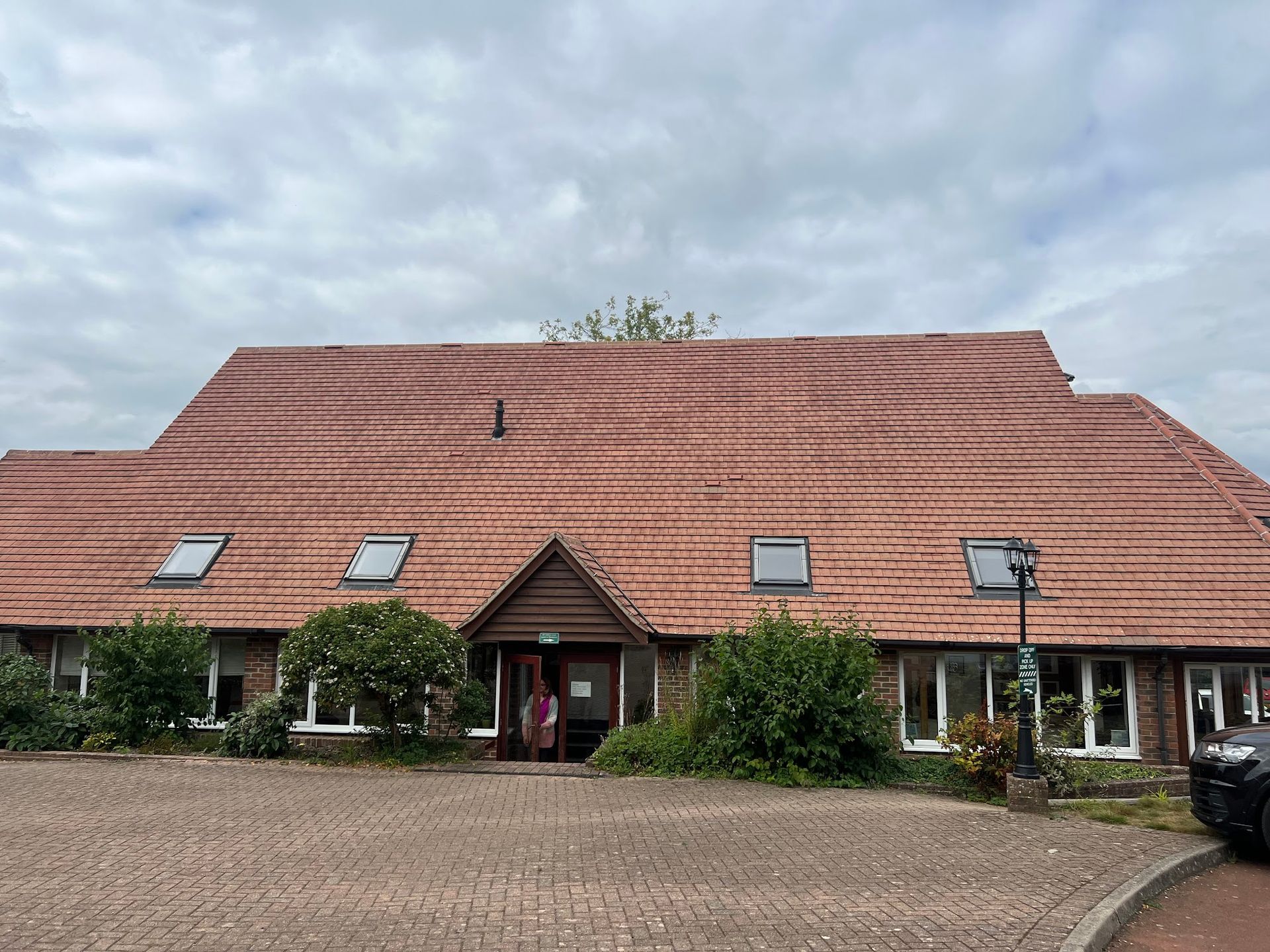
A roof is not a solid surface like a driveway; it is made of overlapping tiles laid over battens and underlay, with mortar bedding on ridges and hips. That layered structure is exactly why gentle cleaning suits it so well.
High pressure exploits the gaps in that structure, forcing water under the laps toward the timber and breaking up mortar. It also erodes the surface coating that helps tiles shed water. Soft washing sidesteps all of this by not using that force. The growth is removed while the water stays on top of the tiles where it belongs, the coating is preserved, and the mortar is left undisturbed. For a surface built in delicate, overlapping layers, working gently is not just kinder but more appropriate to how the roof is made. A
Roof Cleaning delivered as a soft wash respects that structure.
Soft Washing and Regrowth
One of the quieter advantages of soft washing is what happens after the clean. Because the method leaves the tile's protective coating intact, the surface resists new growth better than a pressure-washed one, where the stripped coating leaves a more porous, moss-friendly tile. The soft-washed roof simply offers moss less to work with.
This advantage grows when soft washing is paired with a biocide. After the growth is cleared, a non-toxic biocide applied to the surface keeps working for months, slowing the return of moss, algae, and lichen. The combination of an intact surface and an active treatment is what gives soft washing its longer-lasting results. Keeping the roofline clear with Gutter Cleaning supports this by removing debris that would otherwise feed regrowth.
In our 15 years on Sussex roofs, soft washing has consistently delivered the double benefit homeowners want: a thorough clean now and a slower return of growth afterwards.
Soft washing is a roof cleaning method that removes moss, algae, and lichen using low pressure or no-contact techniques and gentle, water-based cleaning, rather than the high-pressure force of a pressure washer. It protects the tile surface, avoids forcing water under the tiles, and is usually paired with a biocide that slows regrowth. Soft washing suits the delicate, layered structure of a tiled roof far better than high-pressure methods.
Frequently Asked Questions
Is soft washing safe for all roof tiles?
Soft washing is well suited to the common roofing materials, including concrete, clay, and slate, because it removes growth without abrading or blasting the surface. The initial inspection and patch test confirm the tile type and condition and how the surface responds, so the approach is matched to your particular roof. Its gentleness is precisely what makes it appropriate across different tile types.
How is soft washing different from a normal roof wash?
The difference is the reliance on force. A high-pressure wash removes growth by blasting it off, which can damage the tile surface, force water inside, and disturb mortar. Soft washing removes the same growth gently using low pressure or no-contact methods and water-based cleaning, protecting the tiles. The end result looks clean either way, but soft washing achieves it without the risks.
Does soft washing include a treatment against regrowth?
It usually can. After the growth is cleared, a non-toxic biocide is often applied that continues to work on the surface for months, slowing the return of moss, algae, and lichen. This aftercare is a key part of why soft washing lasts, so it is worth confirming whether a biocide is included when you book a soft-wash clean.
Will soft washing remove heavy, established moss?
Yes. Soft washing lifts even thick moss effectively, because it clears the growth rather than depending on the force of a pressure jet. Stubborn lichen benefits particularly from the follow-up biocide, which keeps breaking it down over time. Heavy growth is removed without the high pressure that would risk damaging the tiles beneath it.
Is soft washing more expensive than pressure washing?
Prices depend on the roof, and the two are not always far apart. What matters is value: soft washing protects the tiles and slows regrowth, whereas pressure washing can damage the surface and lead to moss returning sooner. A slightly higher price for a method that keeps the roof sound and clean for longer is usually the better investment. A free quote will give you accurate figures for your roof.
Get a genuine soft-wash clean — Book a low-pressure, no-contact roof clean that protects your tiles and slows regrowth. Ben's Roof Cleaning includes a free inspection, patch test, and optional biocide. Call 0158 232 9760.
The Gentle Method That Suits a Roof
Soft washing is not a vague label but a distinct, gentle approach to roof cleaning: low pressure or no contact, water-based, and kind to the tile surface. It removes moss, algae, and lichen thoroughly while avoiding the surface stripping, water ingress, and mortar damage that high pressure causes, which makes it well matched to the delicate, layered way a roof is built. Add a biocide to slow regrowth and an intact coating that resists it, and soft washing gives you a clean that both looks good now and lasts. For a roof, working softly is simply working smartly.