The Hat Town: Cleaning the Roofs of Luton's Industrial Heritage
Luton is a town built by hats. From the mid-seventeenth century, the straw plaited from local Bedfordshire wheat fields grew into a hat-making industry that, at its peak in the 1930s, produced tens of millions of hats a year and made Luton the centre of British millinery. That industry shaped the town, leaving behind a distinctive legacy of Victorian factories, warehouses, and terraced housing, much of it still standing and a good deal of it now converted into homes and apartments. These heritage roofs are part of what makes Luton, but they are often old, pitched in traditional slate, and in need of careful cleaning. This detailed guide explains how to look after them.
The quick answer: Luton's industrial heritage buildings, its converted hat factories, warehouses, and Victorian terraces, typically have older slate or clay roofs that are handsome but delicate. Gentle, low-pressure soft washing removes moss and algae without cracking these aged tiles or forcing water underneath, which is the safe way to keep the town's heritage roofs sound.
1. How Hats Built Luton
Luton's rise from a Bedfordshire market town to an industrial centre was driven by straw. Straw plaiting began as a cottage industry, and by the nineteenth century the hat trade had grown into the town's defining industry, drawing workers in and fuelling a wave of building. The factories and warehouses that housed the trade, and the terraces that housed its workers, are the physical legacy of that boom.
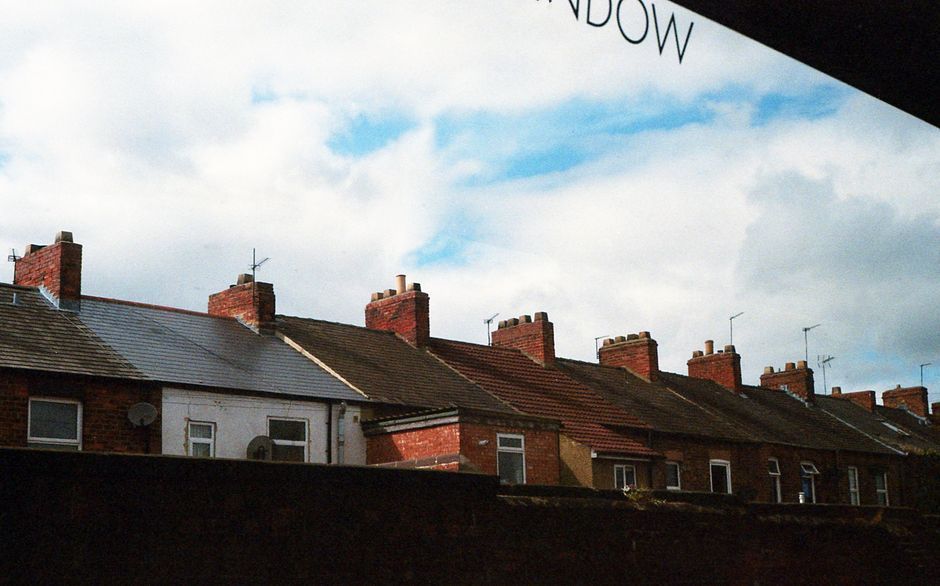
Many of these buildings survive today. The old hat factories and warehouses have found new life as loft-style apartments and offices, while streets of Victorian terraces remain in everyday use. All of them carry roofs from that era, and those roofs need care suited to their age and materials.
2. What These Heritage Roofs Are Made Of
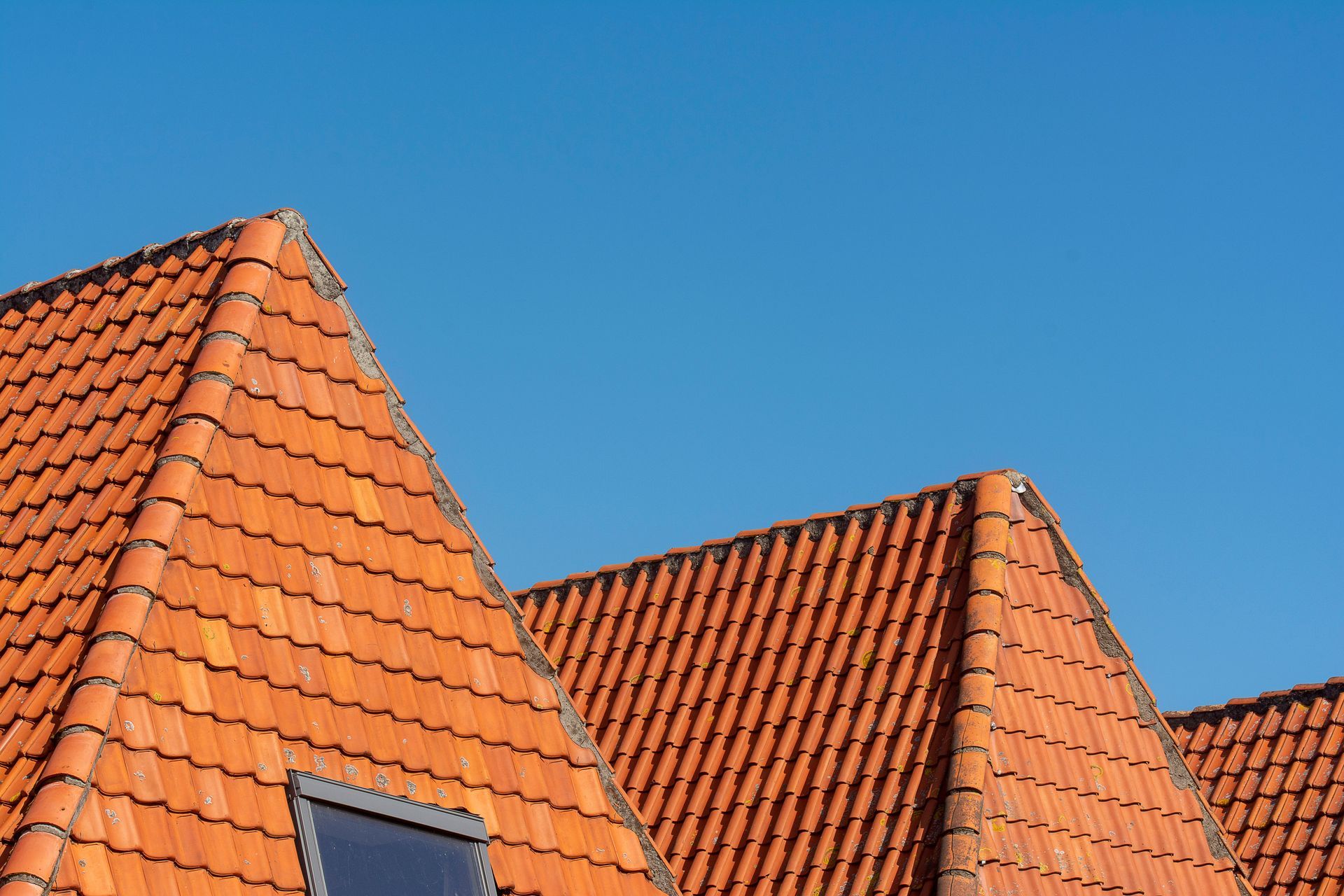
The roofs on Luton's Victorian and industrial buildings are typically natural slate or clay tile, the materials of their day. Both are handsome and long-lasting, but both age in ways modern roofing does not. Slate can grow brittle and delaminate over the decades, clay tiles become porous and fragile, and the mortar, battens, and timber beneath may be original and weakened.
This means a heritage roof cannot be treated like a modern one. What a hard concrete tile shrugs off, an old Luton slate or clay tile may not, so cleaning has to be matched to the age and materials of the roof rather than applied from a standard template.
3. Why Gentle Cleaning Matters Here
On old slate and clay, high-pressure jet washing is a real hazard. The force can crack and delaminate brittle slate, blast the surface off aged clay, and dislodge tiles held by ageing mortar, and it can drive water up underneath into the roof. On a heritage building, that kind of damage is both likely and expensive to put right.
Gentle, low-pressure soft washing is the safe alternative. Its cleaning solutions break moss, algae, and lichen down at the source, and the growth is cleared away without stressing the tiles. It works with the fragile, weathered materials of a heritage roof rather than against them, which is exactly what these buildings need.
4. The Challenge of Matching Old Materials
When a heritage roof is damaged, repairing it well is not simple. Original Victorian slate and clay have a colour, size, and character that modern replacements do not always match, and a patch of mismatched tiles stands out on an old roof. On a converted factory or a terrace within a conservation area, sympathetic materials matter even more, and can be harder to source.
This is why prevention is so valuable on Luton's heritage roofs. Every tile kept intact is one that does not need to be matched and replaced, and gentle cleaning that removes moss without breaking tiles is the surest way to keep these roofs whole and characterful.

5. Caring for a Heritage Roof Over Time
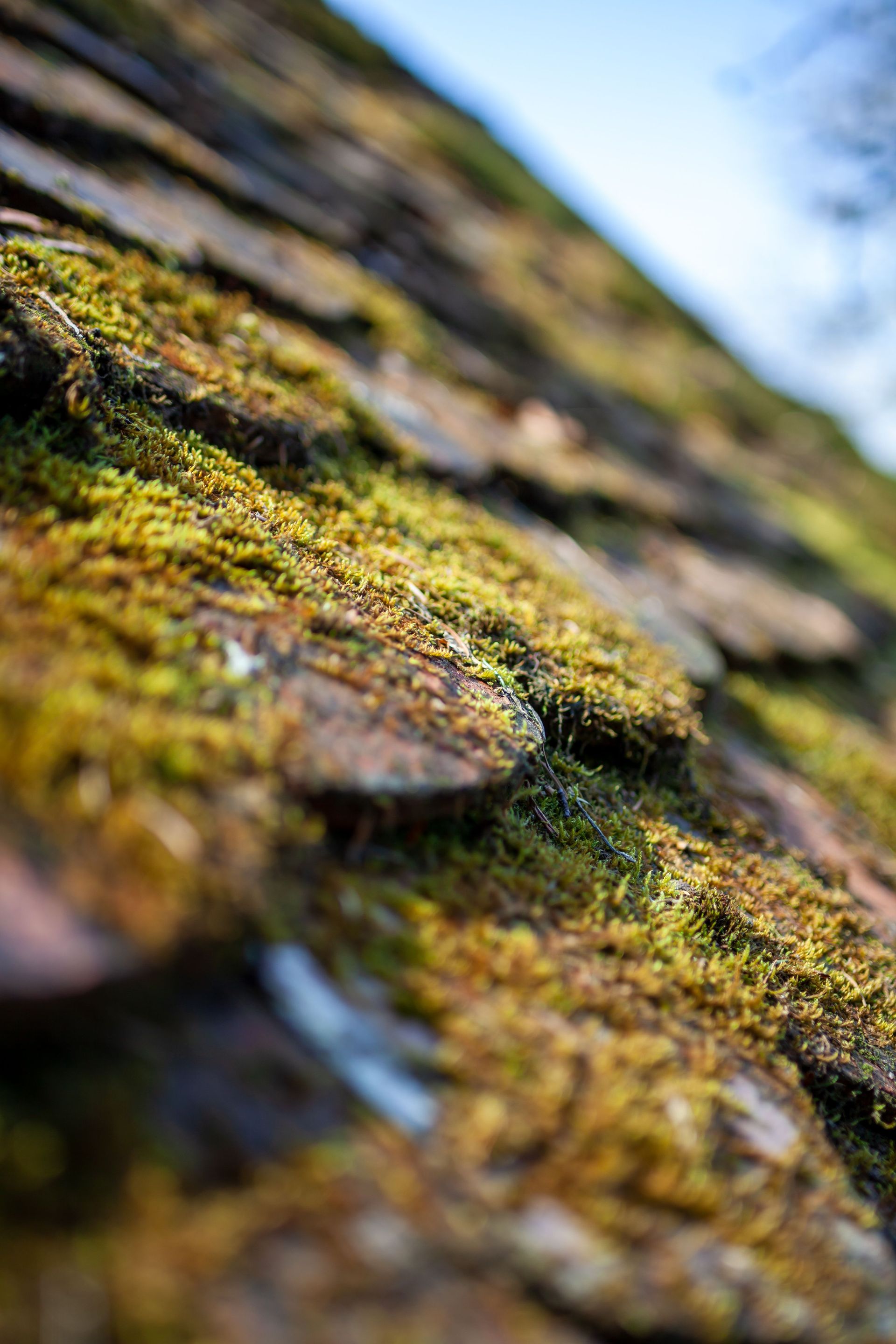
Old roofs reward steady, gentle care. Regular soft washing keeps moss and lichen from building up to the point where they hold damp against the tiles or need heavy intervention to remove, and a routine check catches small issues before they grow. On Luton's heritage buildings, a few things are worth watching for:
- Moss building up on shaded slopes and in the valleys of complex roofs.
- Slipped or cracked slates , common on ageing Victorian roofs.
- Delaminating slate , flaking into layers as it weathers.
- Failing mortar at ridges and around old chimney stacks.
- Blocked gutters and hoppers on tall terrace and factory elevations.
6. Protecting Luton's Character
Luton's Victorian and industrial buildings are the physical record of the hat trade that built the town, and their roofs are part of that character. A well-kept heritage roof supports the appearance and value of a period home or converted apartment, while a damaged or badly cleaned one detracts from both and can be costly to put right.
Treated with gentle, informed care matched to their age and materials, Luton's heritage roofs stay clear of moss without any risk to the tiles, and continue to grace a townscape shaped by a proud industrial past. That is a legacy worth protecting, and an easy one to protect with the right approach.
Frequently Asked Questions
What kind of roofs do Luton's old buildings have?
Its Victorian terraces, converted hat factories, and warehouses typically have natural slate or clay tile roofs, the materials of the nineteenth century, which are handsome and long-lasting but grow brittle and fragile with age.
Why is pressure washing bad for a heritage roof?
High pressure can crack and delaminate brittle slate, strip the surface off aged clay, dislodge tiles held by old mortar, and force water underneath. On irreplaceable heritage materials, that damage is both likely and expensive.
Can old slate and clay roofs be cleaned safely?
Yes, with the right method. Gentle, low-pressure soft washing removes moss, algae, and lichen without the force that harms aged tiles, and it is matched to the roof's age, materials, and condition.
Is it hard to replace Victorian roof tiles in Luton?
Yes. Original slate and clay have a colour, size, and character modern tiles do not always match, and on converted buildings or in conservation areas sympathetic materials matter more and can be harder to source.
Do I need permission to clean a listed or conservation-area roof?
Cleaning to remove moss is generally maintenance and does not require consent, but repair or alteration to a listed building may, so it is wise to check with the local authority before any structural work.
Own a heritage or period property in Luton?
Ben's Roof Cleaning cleans Victorian, slate, and traditional roofs gently and safely across Luton and Bedfordshire, protecting original tiles while removing moss, with over 15 years of experience. Get in touch or call 0158 232 9760
for a free, no-obligation quote.
Care for the Roofs the Hat Trade Built
Luton's Victorian terraces, converted hat factories, and warehouses are the living legacy of the industry that made the town, and their slate and clay roofs are part of that heritage. Beautiful and enduring, these roofs are also aged, delicate, and hard to match, which is why they call for gentle, patient cleaning rather than force. Soft washing removes moss and algae while keeping every tile intact, protecting both the look and the fabric of a heritage building. Treated with that care, the roofs of Luton's industrial past stay sound and characterful for generations to come.