Roofs in a Chiltern Gap: How Luton's Setting Shapes Roof Care
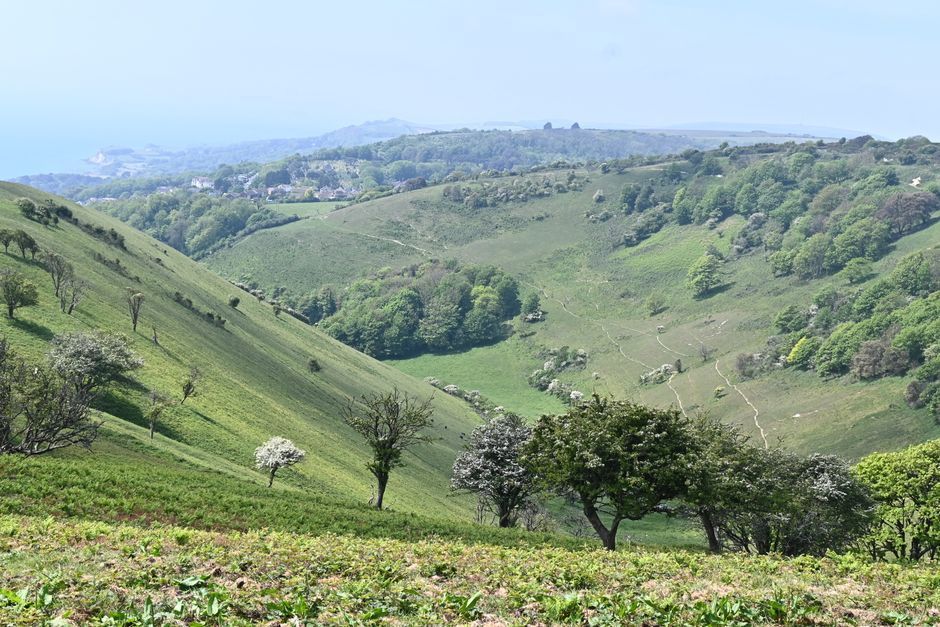
Luton owes its location to a gap in the hills. The town grew up in a break in the eastern Chiltern Hills, where the chalk uplands part to let the young River Lea flow through, a natural corridor that has carried roads, people, and trade for centuries. It is a handsome setting, ringed by chalk downland and outlying spurs like Galley Hill, but a town in a gap between hills has its own particular exposure to wind and weather, and that has a real effect on its roofs. This detailed guide explains how Luton's Chiltern setting shapes the way its roofs should be cared for.
The quick answer: Luton's position in a gap in the Chiltern Hills channels wind through the town, which loosens tiles and drives rain against roofs from awkward angles. Combined with a temperate, reliably damp climate of around 725mm of rain a year, this makes slipped tiles and moss growth worth watching for, and gentle regular cleaning the sensible response.
1. A Town in a Gap in the Hills
Luton sits in a natural break in the eastern Chilterns, a range of chalk hills laid down in the Cretaceous period and shaped by later erosion and the Ice Age. The gap through which the town spreads is the reason it grew where it did, offering a route through the uplands, and the surrounding hills and spurs give Luton its distinctive bowl-and-corridor topography.
That setting is attractive, but it also means the town is not sheltered in the way a settlement tucked deep in a valley might be. A gap in a range of hills tends to funnel the wind, and the roofs of Luton feel the effect of that channelling more than roofs in more enclosed spots.
2. Wind Funnelled Through the Gap
The most distinctive effect of Luton's setting is on the wind. A gap between hills acts as a corridor, and wind driven against the Chilterns is channelled and can accelerate as it passes through the break where the town sits. Roofs on exposed elevations and higher ground catch the brunt of it.
Stronger, more frequent gusts work at a roof over time, lifting and loosening tiles at edges, ridges, and verges, and driving rain against the roof from angles that find any small gap. This is why loose or slipped tiles are worth taking seriously in Luton, a gap that might matter little in a sheltered spot becomes a genuine entry point for wind-driven rain here.
3. A Reliably Damp Climate
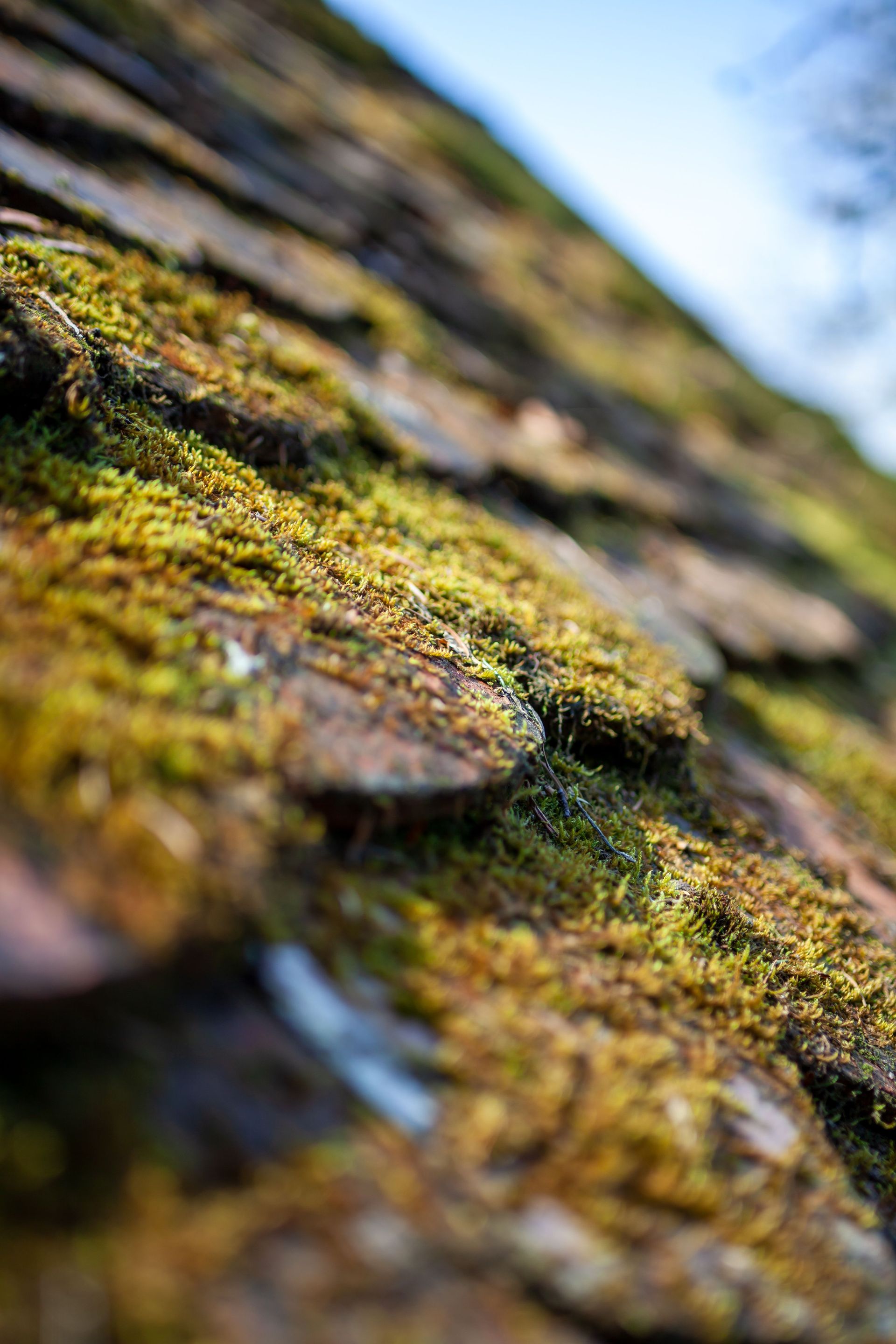
Luton's climate is temperate and, like much of the country, reliably damp, with around 725mm of rain spread across the year and a wettest spell in late summer. It is not an extreme climate, but it provides exactly the steady moisture that moss and algae need to establish and spread on a roof.
Shaded, north-facing slopes that dry slowly are where growth takes hold first, greening over while sunnier slopes stay clearer. Across a Luton roof, that regular dampness means moss and algae are a persistent presence to be managed rather than a one-off problem, especially on the shaded side.
4. Chalk Country and Local Character
The chalk geology of the Chilterns gives the countryside around Luton its rolling, green character, and the town's older buildings sit within that landscape. While the chalk itself is beneath the ground, the setting it creates, open downland, exposed higher ground, and the wind corridor of the gap, is what a roof in Luton has to contend with.
Homes on the higher, more exposed edges of the town, closer to the surrounding hills, tend to feel the wind most, while those lower in the gap may be a little more sheltered but no less damp. Knowing where a home sits in this landscape helps make sense of how its roof weathers.
5. Caring for a Roof in Luton's Setting
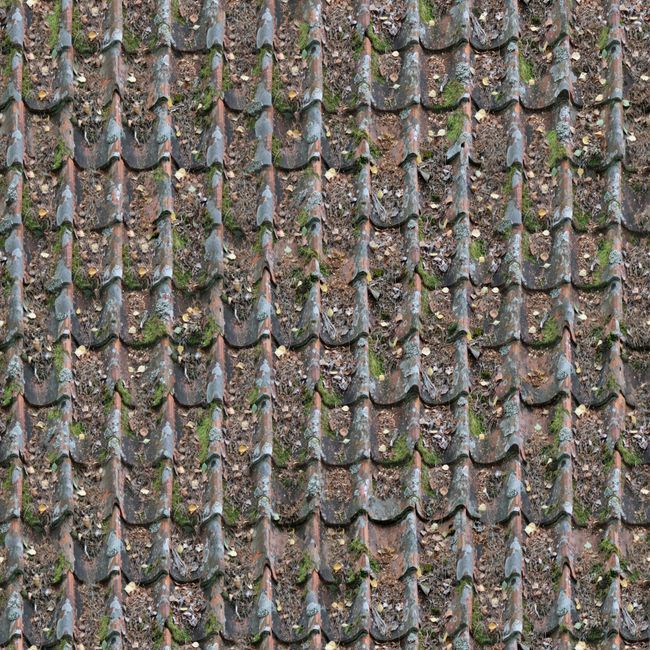
Given the wind and the steady damp, gentle care matched to the setting is the right approach for a Luton roof. A few measures make a real difference:
- Gentle soft washing to remove moss and algae without harming the tiles.
- Checking for slipped tiles and worn mortar after windy spells, especially on exposed elevations.
- Keeping gutters clear , since shed moss and debris block them and cause overflow.
- Prioritising shaded, north-facing slopes , where damp keeps moss thickest.
- Regular attention , as the reliably damp climate brings growth back over time.
6. Why Gentle Cleaning Suits This Setting
On a roof already worked on by wind and kept damp by the climate, aggressive cleaning only adds to the wear. High-pressure washing can crack tiles loosened by gusts, strip their surface, and force water underneath, which on an exposed Luton roof is a real risk. Gentle, low-pressure soft washing removes moss and algae without stressing tiles that already face the weather of the gap.
A careful clean also clears the organic growth that holds damp against the surface, helping the roof dry between showers. In Luton's steadily damp, wind-exposed setting, that combination of gentleness and regular attention is the most sensible way to keep a roof sound.
Frequently Asked Questions
Does Luton's setting really affect its roofs?
Yes. The town sits in a gap in the Chiltern Hills that funnels wind through it, loosening tiles and driving rain, while a reliably damp climate of around 725mm a year encourages moss and algae, so roofs here face particular pressures.
Why are slipped tiles a concern in Luton?
Wind channelled through the Chiltern gap works at edges, ridges, and verges, and a slipped or cracked tile becomes an entry point for wind-driven rain. Spotting and fixing these early prevents leaks in wet, windy weather.
Why does my Luton roof grow so much moss?
The town's temperate, reliably damp climate gives moss and algae the steady moisture they need, especially on shaded, north-facing slopes that dry slowly, so growth is a persistent presence to be managed.
Are homes on higher ground more exposed?
Generally yes. Homes on the higher, more exposed edges of the town, closer to the surrounding hills, tend to feel the wind funnelled through the gap most, while those lower down may be a little more sheltered.
Can I pressure wash a wind-exposed roof to clean it quickly?
It is not advised. High pressure can crack tiles already loosened by wind and force water underneath. Gentle, low-pressure soft washing removes moss and algae without adding to the wear.
Roof feeling the weather of the gap?
Ben's Roof Cleaning provides gentle, professional roof cleaning, moss removal, and gutter clearing across Luton and Bedfordshire, with over 15 years of experience. Get in touch or call 0158 232 9760
for a free, no-obligation quote.
Care Matched to the Chiltern Gap
Luton's setting in a break in the chalk Chiltern Hills is central to the town's history and character, but it asks something of its roofs. Wind funnelled through the gap loosens tiles and drives rain, while a reliably damp climate keeps moss and algae growing on shaded slopes. None of it means a Luton roof cannot last, only that it rewards regular, gentle care matched to the wind and the weather of the place. Look after a Luton roof with its Chiltern setting in mind, and it will keep protecting your home through whatever the gap channels its way.