Moss and Algae on Luton Roofs: Why They Grow and How to Remove Them
Of all the things that affect a roof in Luton, moss and algae are the most common by far. Drive around the town and you will see roofs tinged green, streaked dark, or crusted with pale lichen, the visible signs of living growth that thrives on the town's damp roofs. Most homeowners know it does not look good, but fewer understand why it grows, what harm it does, or how to get rid of it safely. This detailed guide explains the biology behind moss and algae on Luton roofs, the damage they can cause, and the right way to remove them.
The quick answer: Moss, algae, and lichen grow on Luton roofs because the town's reliably damp climate keeps tiles moist, especially on shaded, north-facing slopes. Left to build, moss holds water against the tiles, works into gaps, and sheds into gutters. Gentle, low-pressure soft washing removes it at the root without damaging the roof.
1. Why Luton Roofs Grow Moss and Algae
Moss, algae, and lichen are living organisms, and like all living things they need the right conditions to thrive: moisture, and a surface to grow on. Luton provides both. The town's temperate, reliably damp climate, with rain spread across the year, keeps roof surfaces moist for long enough that spores landing on them can establish and spread.
The wind funnelled through the Chiltern gap carries spores onto roofs readily, and once they land on a damp, textured tile they take hold. It is entirely natural, which is why moss is so widespread across the town, but natural does not mean harmless, and left unchecked it causes real problems.
2. Understanding the Different Growths
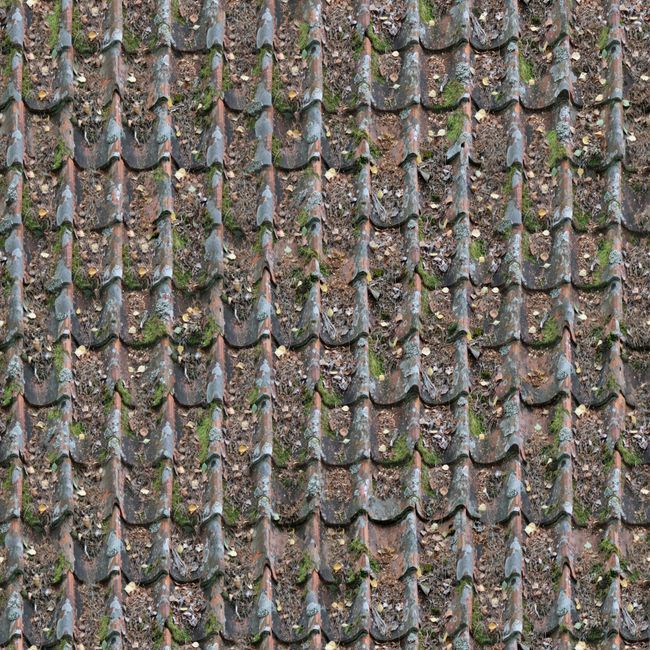
Not all roof growth is the same, and it helps to tell them apart. Algae is the dark, often greenish or black staining that streaks down a roof, a thin film that spreads across the surface. Moss is the thick, green, spongy growth that builds up in the gaps between tiles and along their edges, holding water like a sponge. Lichen is the crusty, often pale or grey growth that grips hard onto the tile surface.
Each behaves a little differently, but all three are living growths that will not simply wash away in the rain, and all three thrive in Luton's damp conditions. A typical town roof, especially on its shaded side, may carry a mix of all three.
3. Why Shaded Slopes Suffer Most
If you look at a mossy roof, the growth is rarely even. The north-facing and shaded slopes, which get the least sun and dry the slowest, are almost always the greenest, while the sunnier slopes stay comparatively clear. This is simply because the shaded side stays damp longer, giving moss and algae the sustained moisture they need.
Overhanging trees make it worse, casting shade, dropping debris, and keeping a slope permanently damp. In Luton, where the climate keeps roofs damp anyway, a shaded, tree-sheltered slope can become thickly mossy while the rest of the roof looks reasonably clean, so those slopes are usually where attention is needed first.
4. The Damage Moss and Algae Cause
Beyond the tired, neglected look they give a roof, moss and algae cause real harm over time. Thick moss acts like a sponge, holding moisture against the tiles rather than letting them dry, and that constant damp works into the surface of the tiles and the gaps between them. In frosty weather, water trapped by moss freezes and expands, stressing and cracking tiles.
Moss also grows into and lifts the edges of tiles, and as it thickens it breaks away and sheds into the gutters, blocking them and causing the overflow that leads to damp walls. What looks like a cosmetic green tinge is, left long enough, a genuine threat to the roof and the building beneath it.

5. Removing It Safely
The safe way to remove moss, algae, and lichen from a Luton roof is gentle soft washing, not high-pressure jet washing. It is tempting to blast growth off quickly, but on tiles that may be aged or wind-loosened, high pressure can crack them, strip their surface, and force water underneath, causing more harm than the moss ever would.
Soft washing instead uses low pressure and cleaning solutions that break the growth down at the root, so it is killed and cleared away without stressing the tiles. Because it deals with the growth at its source rather than just the visible surface, the results also last longer, with moss slower to return than after a jet wash.
6. Keeping a Roof Clear
Because moss and algae are a natural, recurring presence in Luton's damp climate, keeping a roof clear is an ongoing matter rather than a one-off. Regular gentle cleaning stops growth reaching the thick, damaging stage, and a few sensible habits help:
- Watching the shaded slopes , where moss and algae always establish first.
- Keeping nearby trees trimmed to let more light and air reach the roof.
- Clearing gutters so shed moss does not block them.
- Acting on thick moss early , before it holds damp and cracks tiles.
- Choosing gentle cleaning , which lasts longer and protects the tiles.
Frequently Asked Questions
Why does my Luton roof grow so much moss?
Luton's temperate, reliably damp climate keeps roof surfaces moist, especially on shaded, north-facing slopes that dry slowly, giving moss, algae, and lichen the sustained moisture they need to establish and spread.
Is moss on the roof actually harmful?
Yes, over time. Thick moss holds moisture against the tiles, works into gaps, cracks tiles in frosty weather as trapped water freezes, and sheds into gutters, blocking them. A green tinge left long enough becomes a real problem.
What is the difference between moss, algae, and lichen?
Algae is the dark streaking film on the surface, moss is the thick spongy green growth in the gaps between tiles, and lichen is the crusty pale growth that grips the tile hard. All three thrive in Luton's damp conditions.
Why is only one side of my roof mossy?
The shaded, north-facing slope gets the least sun and dries the slowest, so it stays damp longer and grows the most moss, while sunnier slopes stay clearer. Overhanging trees make a shaded slope worse still.
What is the best way to remove roof moss?
Gentle, low-pressure soft washing, which breaks the growth down at the root and clears it without cracking tiles or forcing water underneath, unlike high-pressure washing. It also keeps the roof clearer for longer.
Moss or algae taking over your Luton roof?
Ben's Roof Cleaning removes moss, algae, and lichen with gentle soft washing across Luton and Bedfordshire, clearing growth at the root without harming your tiles, with over 15 years of experience. Get in touch or call 0158 232 9760
for a free, no-obligation quote.
Manage the Green, Protect the Roof
Moss, algae, and lichen are the most common roof problems in Luton, and no wonder: the town's damp climate and shaded slopes give them exactly what they need to thrive. Left to build, they hold damp against the tiles, crack them in frost, and shed into the gutters, turning a cosmetic tinge into real damage. Gentle soft washing removes them at the root without harming the roof, and keeps them at bay longer than a jet wash would. Manage the green with regular, gentle care, and a Luton roof stays clear, sound, and protected.